


 返回

Original article link: HeYuan Bio – Disease Research
Building on a deep understanding of viral vectors and advances in their development, an increasing number of researchers are leveraging these tools to investigate disease mechanisms. Today, viral vector–based approaches are widely employed across diverse tissues and organs. By utilizing engineered viral vectors to achieve targeted, tissue‑specific modification and manipulation of disease‑related genes, researchers have established this strategy as a powerful technical platform for both disease research and therapeutic intervention.

Selection of Viral Vectors
The vastly different sizes of various viral vectors imply substantial variations in their genetic cargo capacity; differences in immunogenicity necessitate fine-tuning of their in vivo and in vitro applications; and disparities in expression kinetics and duration require us to make tailored selections based on the specific research objectives.
Table 1: Comparison of the Biological Characteristics of Different Viruses
|
Lentivirus |
Adeno-associated virus |
adenovirus |
Retrovirus |
|
|
Envelope |
There is/are |
None |
There is/are |
There is/are |
|
Particle diameter |
80-100 nm |
20-30 nm |
90-100nm |
~100 nm |
|
Genome |
dsRNA |
ssDNA |
dsDNA |
RNA |
|
Genome size |
9.75kb |
4.7kb |
36kb |
~5kb |
|
Expression start time |
48-72h |
72-96h |
24-48h |
48-72h |
|
Duration of expression |
> 2 months |
> 6 months |
< 1 month |
> 2 months |
|
In vivo diffusion capability |
General |
Strong |
Strong |
General |
|
Immunogenicity |
Medium |
Extremely low |
Strong |
Medium |
|
Titer range |
108~109 TU/mL |
1012-1013VG/mL |
1011-1012PFU/mL |
107~108 TU/mL |
|
Titer assay method |
qPCR-integrated DNA |
qPCR non-integrating DNA |
Antigen–antibody immunostaining kit |
qPCR-integrated DNA |
|
Integration method |
Random High-Frequency Integration |
Targeted low-frequency integration (rAAV does not integrate) |
Non-integrated |
Random integration |
|
Scope of Application |
In vitro cell infection, gRNA library screening, in vivo |
Widely used in vivo based on different serotypes. |
Hepatotropism, rapid expression or transient expression, blood, heart, cell lines, etc. |
It specifically infects cells in the mitotic phase. |
Recombinant adeno‑associated viral vectors (rAAV) have long been a leading platform for in vivo research. In addition to their extremely low immunogenicity, high safety profile, broad host cell tropism, robust transduction efficiency, and prolonged in vivo gene expression, they are also distinguished by their remarkable diversity of serotypes.
Currently, the rAAV commonly used in research is a hybrid viral vector generated by combining the AAV2 genome with various capsid proteins, typically designated as rAAV2/N (where N represents different capsid serotypes). These recombinant viruses retain the stable expression and genomic integration capabilities of AAV2 while acquiring tissue‑tropism specific to different serotypes, thereby exhibiting a degree of organ‑specific targeting.
Table 2 Tissue tropism of different AAV serotypes
|
Serotype |
Tissue affinity |
|
rAAV2/1 |
Nervous system (high-titer anterograde transsynaptic), muscle, skeletal muscle, cardiac muscle, smooth muscle |
|
rAAV2/2 |
Nervous system, muscles, liver, vascular smooth muscle, eye |
|
rAAV2/3 |
Muscle, liver, lung, eye |
|
rAAV2/4 |
Nervous system, muscles, eyes, brain |
|
rAAV2/5 |
Nervous system, lungs, retina, liver, synovial joints |
|
rAAV2/6 |
Nervous system, lungs, muscles, heart |
|
rAAV2/7 |
Muscle, liver |
|
rAAV2/8 |
Nervous system, liver, pancreas, retina, adipose tissue |
|
rAAV2/9 |
Nervous system, myocardium, lungs, retina, skin, muscles, adipose tissue |
|
rAAV2-retro |
Nervous system (retrograde non-synaptic) |
|
AAV-PHP.eB |
Crosses the blood–brain barrier (intravenous administration) |
|
AAV-PHP.S |
All peripheral nerves (tail vein injection) |
|
AAV-PAN |
Pancreas (intraperitoneal injection) |
|
AAV-LUNG |
Lung (tail vein injection) |
|
AAV-DJ |
Retina, lung, kidney, extracellular infected cells |
|
AAV-7m8 |
Retina |
|
AAV-ShH10Y |
Retinal Müller cells |
|
AAV-Rh10 |
Liver, blood, heart, extracellular infected cells |
|
AAV-Anc80L65 |
Inner ear, retina, skeletal muscle, liver |
|
AAV-SCH9 |
Neural stem cells in the SVZ region |
Small tip: If you’re unsure which serotype to choose, consider conducting a preliminary experiment using Cyagen Biosciences’ Pandora’s Virus (AAV trial kit). By comparing the infection efficiency of different serotypes in your target tissue, you can optimize key experimental parameters—such as injection method, injection site, and viral titer—to achieve more favorable results. (Link to Pandora’s Virus >>)
Liver
The liver is a key organ that regulates lipid and glucose metabolism; its dysfunction can lead to conditions such as fatty liver, hypercholesterolemia, hyperlipidemia, and diabetes.
1. Injection method
Infecting the liver with viral vectors is typically achieved via tail vein injection.
Based on HeYuan Bio’s many years of experience, AAV serotype 2/8 is typically chosen for infecting liver tissue. When delivering the vector via tail‑vein injection, a total viral titer of 1 × 10^10 genome copies per mouse is required.
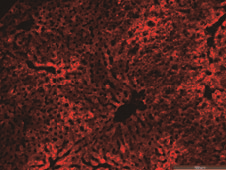
Hepu Bio AAV Infection Results
2. Application Cases
2.1 Liver-specific promoter TGB
Customer-published article: FASEB Journal. (IF=5.391). Yang Y, et al. (2018). Long-term exercise prevents hepatic steatosis: a novel role of FABP1 in regulation of autophagy-lysosomal machinery. [Non-alcoholic fatty liver disease, autophagy–lysosome pathway, adeno-associated virus overexpression]
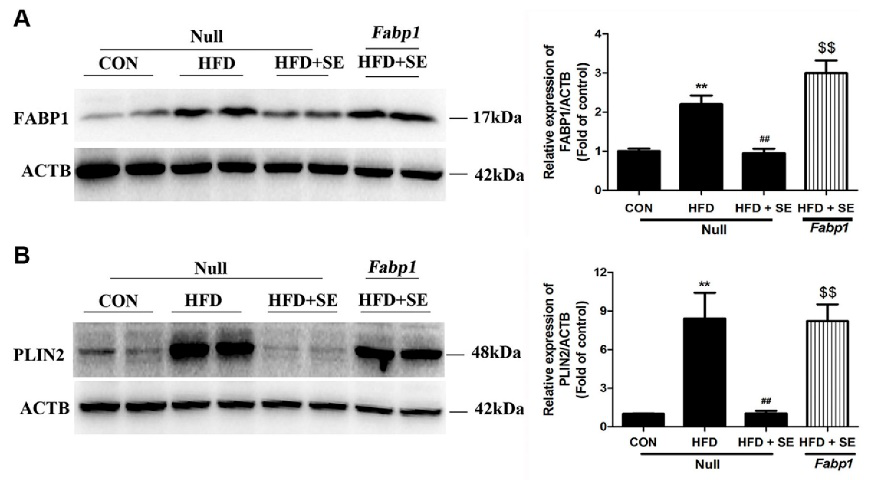
Injection method: intravenous injection into the tail vein of mice
Vector: AAV8-TGB-Fabp1
Serotype: rAAV2/8
Injection volume: 200 µL, 2 × 10¹¹ VG
Observation period: 1 week
2.2 Application of Cre–LoxP Technology in Mouse Liver
Due to adenoviruses’ strong tropism for the liver—nearly 90% of infections involve the liver—they can serve as an efficient vector for liver-specific gene delivery. By injecting Cre‑expressing adenovirus (Ad‑Cre) into the tail vein of mice harboring loxP sites, one can achieve liver‑specific expression and conditional knockout of the target gene, thereby rapidly generating liver‑specific knockout mouse models.
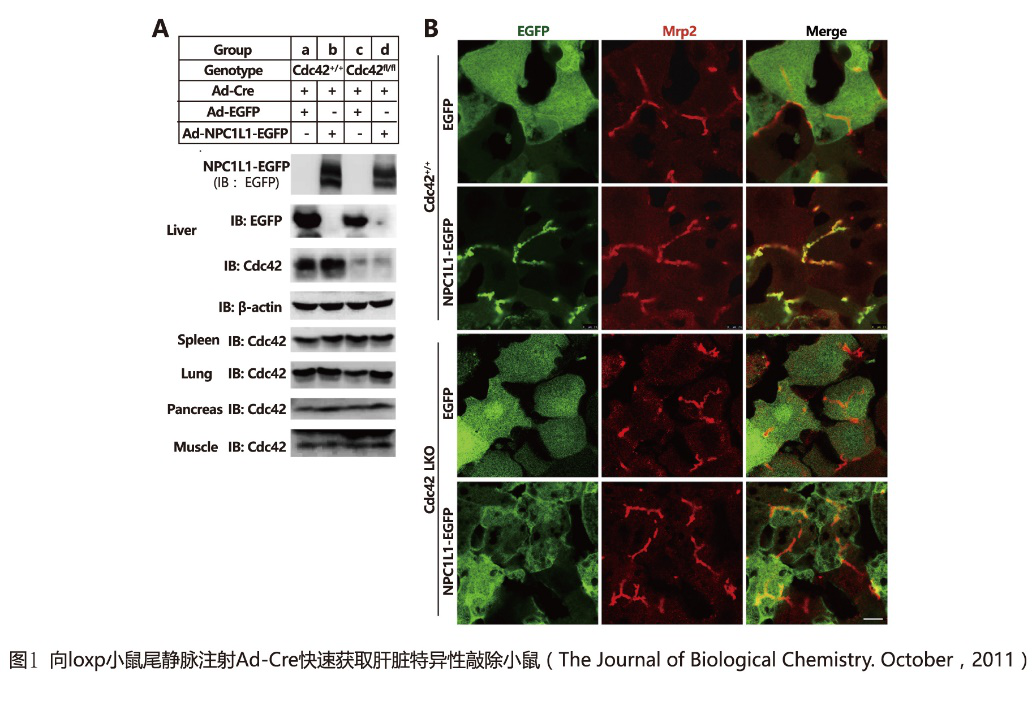
2.3 Application of CRISPR/Cas9 Technology in Mouse Liver
By delivering components of the CRISPR/Cas9 system—Cas9 and sgRNA—into mice via an adenovirus, it is possible to achieve liver-specific expression and site‑specific gene knockout in the liver. This approach is particularly well suited for in vivo experiments.
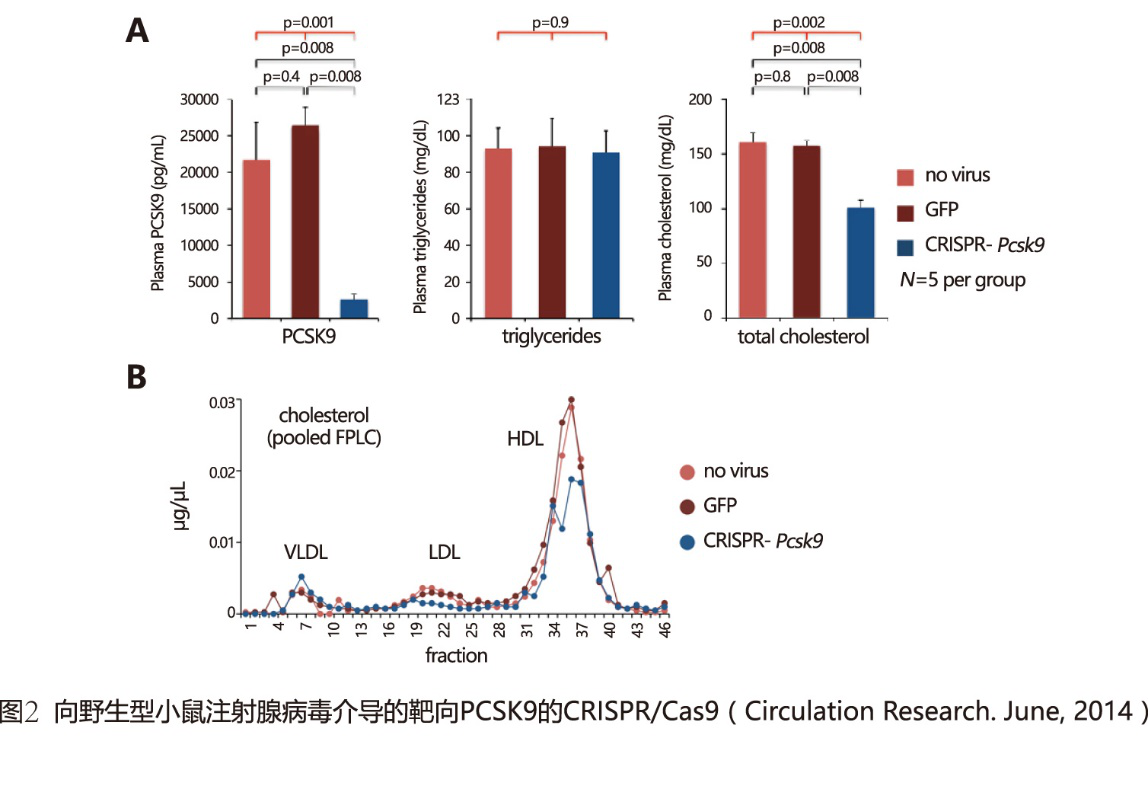
Pancreas
The pancreas is an organ with both endocrine and exocrine functions, closely involved in digestion, glucose metabolism, lipid metabolism, and other physiological processes, and it is one of the key target organs in metabolic research.
In practical studies, there are two primary approaches for infecting the pancreas with viral vectors: one involves using AAV2/8 vectors, which are delivered into the pancreas via the bile duct; the other, a novel method, employs the newly developed AAV-PAN vector from HeYuan Bio, administered intraperitoneally to infect the pancreas.
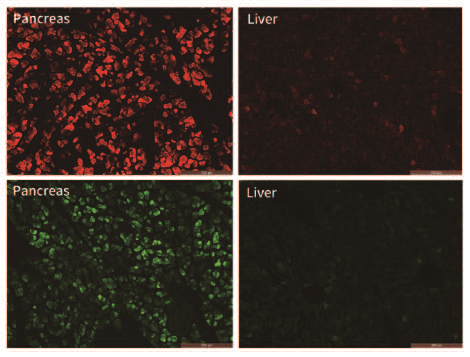
Hemu Bio AAV-PAN Infection Results
Heart
1. Injection method
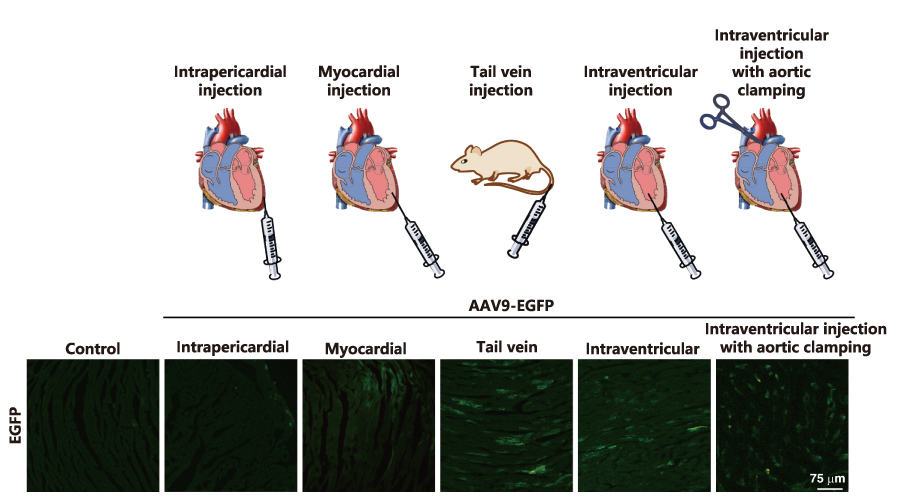
The methods of AAV administration vary across different studies. In general, these include intravenous injection, intracavitary injection, site‑specific intramyocardial injection, and pericardial injection (administered between the myocardium and the pericardium). Among the intravenous approaches, options encompass tail vein injection, jugular vein injection, and facial vein injection, among others.
Intravenous injection via the tail vein and intracardiac injection both result in relatively uniform viral distribution due to entry into the systemic circulation. Intracardiac injection must be performed in conjunction with aortic clamping; because this procedure requires thoracotomy and assisted ventilation, it places higher demands on surgical technique. For intramyocardial targeted injection, 2–5 µL is administered at each site, yielding robust expression primarily around the injection point but with very limited diffusion. Overall, many experiments can be conducted effectively using tail‑vein injection alone, though this may necessitate higher viral doses. In contrast, intramyocardial targeted injection—administering small volumes at multiple sites—can achieve excellent transgene expression; however, this approach is slightly more technically challenging and requires longer procedural time.
Comparing the injection outcomes in neonatal mice (2–10 days old), the expression efficiency in neonates is significantly superior to that in adults, with a correspondingly lower viral dose required. Depending on the laboratory’s capabilities, common injection routes for neonatal mice include jugular vein injection, facial vein injection, and intracardiac (left ventricular) injection, all aimed at delivering the virus into the systemic circulation.
2. Promoter Selection
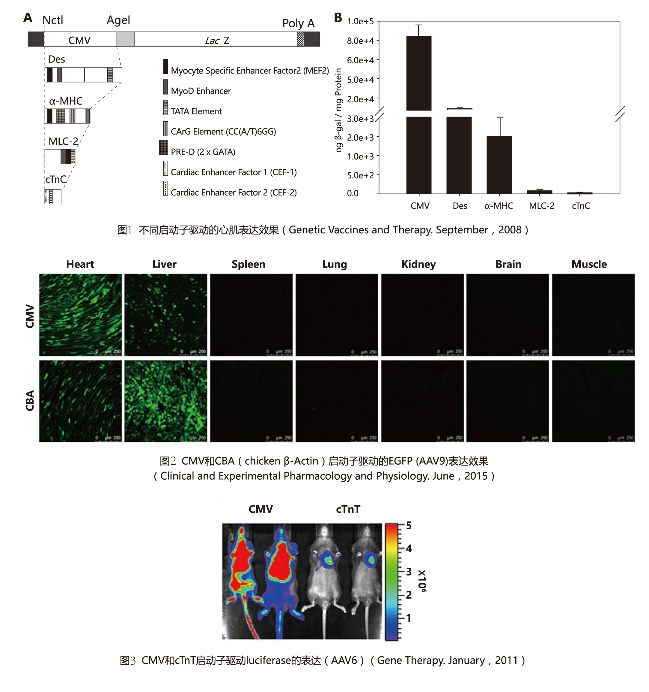
Some commonly used promoters, such as CMV, CAG, αMHC, and cTnC, are frequently employed to drive expression in cardiac tissue. However, many highly efficient promoters—due to their large fragment sizes, as with αMHC—are typically reserved for transgenic mouse studies and are not well suited for packaging into AAV vectors. By reviewing the literature, we found that smaller promoters like CMV exhibit robust expression in cardiac tissue, particularly when driving large DNA fragments. Nevertheless, if the goal is to achieve heart‑specific expression of the target gene, the cTnT promoter is recommended; it is widely used for cardiomyocyte‑specific expression and also demonstrates strong activity.
3. Application Cases
3.1 Cardiac-specific promoter cTNT
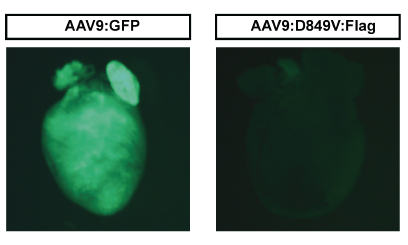
Customer-published article: Yue Z, et al., (2019) PDGFR-b Signaling Regulates Cardiomyocyte Proliferation and Myocardial Regeneration. Cell Rep.
Injection method:
Vector: AAV9
Serotype: rAAV2/9
Promoter: cTnT
Injection volume: 200 µL, 2 × 10¹¹ VG
Observation period: 1 week
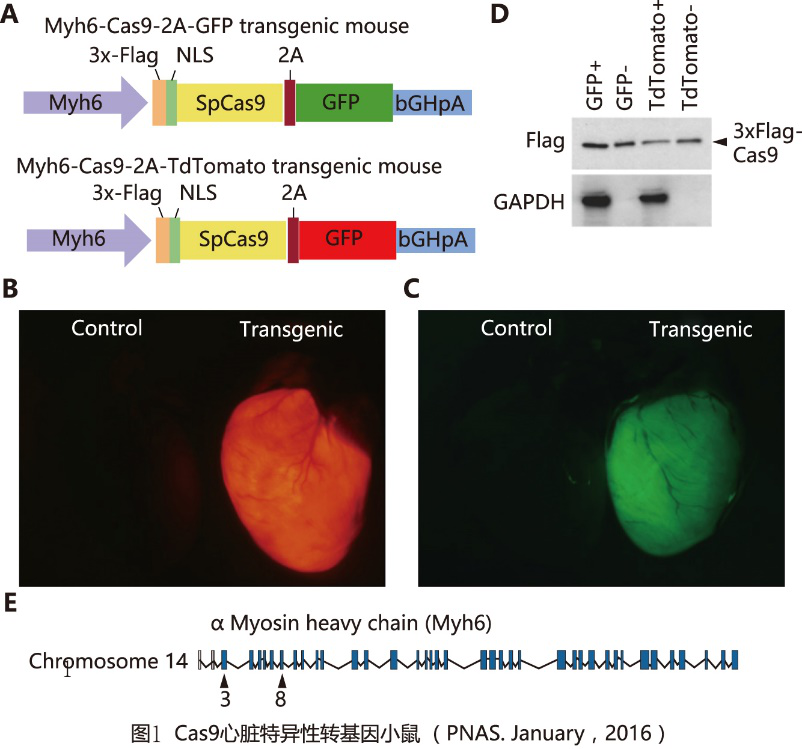
3.2 Cas9 cardiac-specific transgenic mice
Scientists have generated a cardiac‑specific transgenic mouse line expressing eSpCas9 (1.1), with Cas9 driven by the Myh6 promoter (αMHC) to ensure heart‑specific expression. The αMHC promoter is a widely used driver for generating cardiac‑specific transgenic mice. This tool mouse effectively addresses the challenges of delivering and sustaining Cas9 expression in the heart. It enables long‑term, high‑level Cas9 expression in the myocardium—precisely the bottleneck that has limited the efficiency of CRISPR/Cas9–mediated genome editing in cardiac tissues.
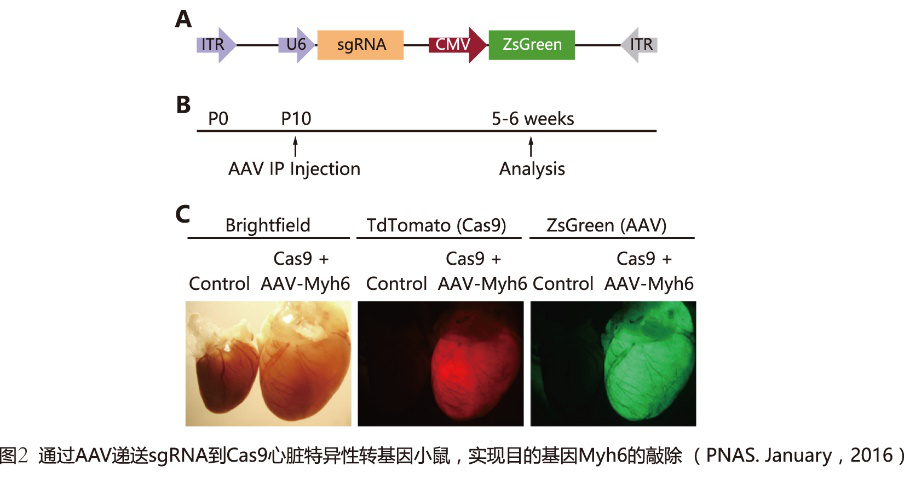
Cas9‑transgenic mice can be generated simply by delivering sgRNA to the heart via AAV, a method that yields relatively high editing efficiency. Researchers injected AAV‑carried sgRNAs targeting exons of the Myh6 gene into mice, achieving cardiac‑specific knockout. This resulted in a more than 50% reduction in Myh6 expression and the successful generation of mutant mice exhibiting cardiac hypertrophy and dilated cardiomyopathy.
Lungs
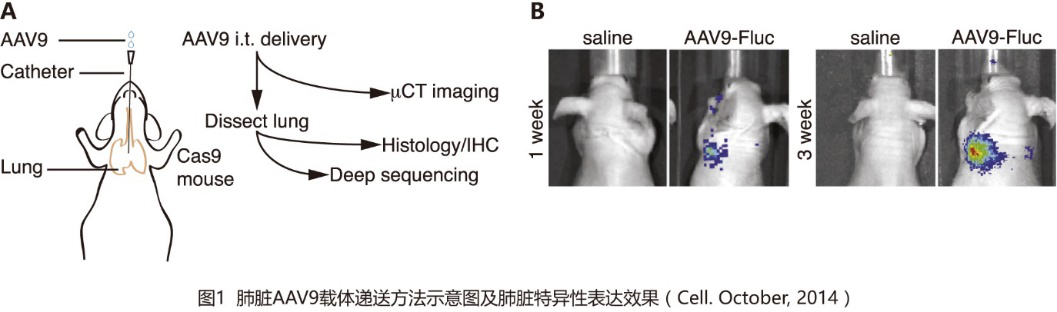
Currently, AAV viral vectors are widely used for pulmonary viral infections. There are two main approaches to delivering viral vectors to the pancreas: one involves using an AAV2/9 vector, administered intranasally or via the trachea (through the respiratory tract), with a reference dose of 1 × 10¹¹ VG in a 50 µL volume; the other, a novel method, employs the newly developed AAV‑LUNG vector from HeYuan Bio, which achieves lung-specific transduction following tail vein injection.
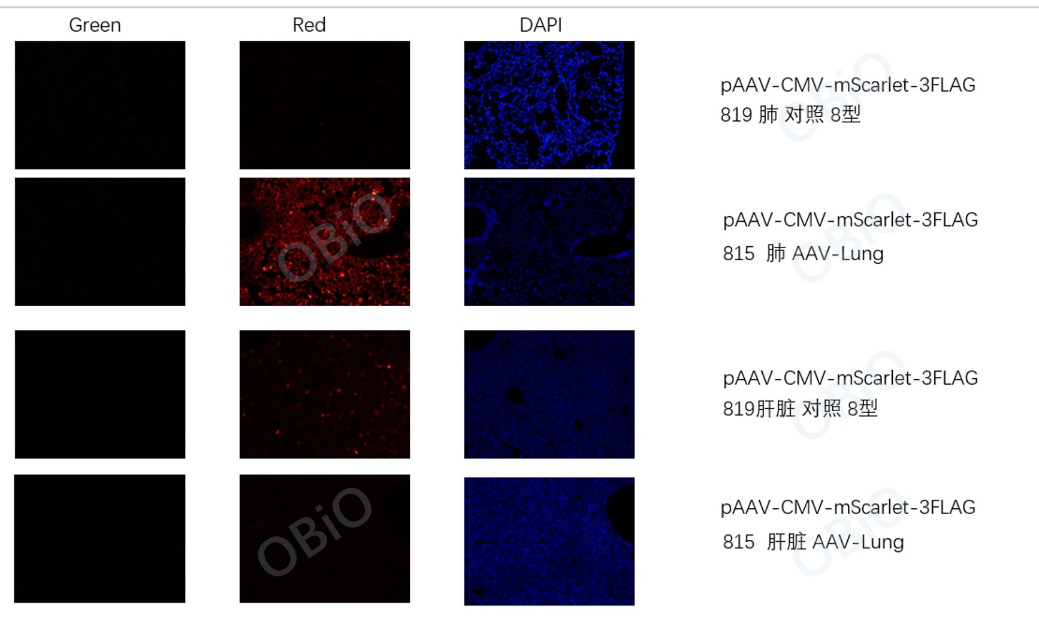
Results of pulmonary infection with Yuan AA V-LUNG
muscle
Currently, adeno‑associated virus (AAV) vectors are commonly used for muscle tissue because AAV not only efficiently and specifically targets muscle but also sustains long‑term expression in this tissue. By contrast, adenoviruses elicit strong immune responses, are rapidly cleared from the body, and confer only transient expression, making them less suitable for targeted muscle delivery. Although lentiviral vectors offer broad transduction and can efficiently infect cultured myoblasts, their ability to transduce intact muscle tissue remains quite limited. At present, the predominant AAV serotypes used for muscle targeting are AAV1, AAV6, and AAV9; among these, AAV9 exhibits the highest transduction efficiency and is particularly prone to robust expression in muscle.
1. Injection method
When using viral vectors to infect muscle tissue for research, the approaches are typically divided into systemic injection and intramuscular injection. Systemic injection yields more uniform expression, but most of the virus is taken up by other organs and tissues, resulting in a reduced amount reaching the target muscle. In contrast, intramuscular injection is a localized delivery method that enables efficient expression near the injection site; however, its drawback is limited viral spread, often necessitating multiple injection sites, with each site receiving 5–10 µL.
2. Application Cases
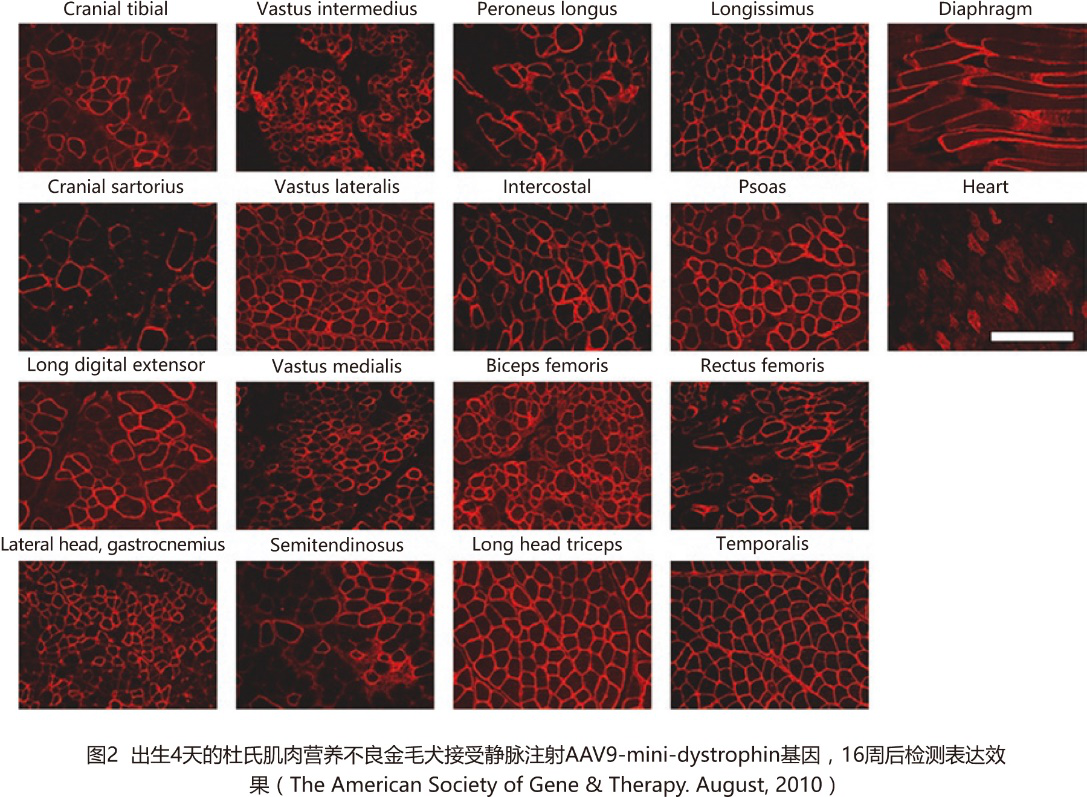
Route of administration: Intravenous injection
Vector: AAV-CMV-miniDystrophin
Serotype: rAAV2/9
Observation period: 16 weeks
Adipose tissue
Adipose tissue consists of numerous adipocytes and is classified into white adipose tissue, brown adipose tissue, and beige adipose tissue. It serves as a critical reservoir for excess energy storage and also functions as an important endocrine organ, playing pivotal roles in glucose metabolism, lipid metabolism, chronic inflammation, and wound healing.
In research, when using viral vectors to transduce adipose tissue, site‑specific injection is typically employed. For AAV‑mediated transduction of adipose tissue, the rAAV2/8 serotype is commonly selected, and during multi‑point injections into the adipose tissue, approximately 1 × 10^10 total viral genome copies are delivered per injection site.
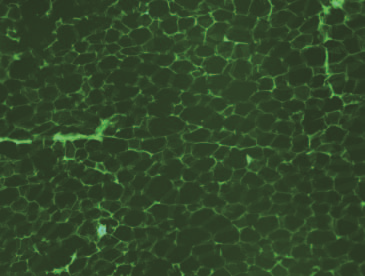 AAV infection of adipose tissue
 Telephone consultation


