


 返回
返回
返回

Lentivirus Series: A Versatile Tool for Gene Regulation (Includes a Giveaway)
Event Preview
The article ends with a recommendation for Li Ji Bio’s lentiviral reagents; share and collect likes to receive a free gift. 8 mL of lentiviral concentrate ; and we’ve also prepared for everyone Disney/Universal Studios tickets (two per person!!), Huawei Bluetooth earphones Lucky draw—prizes will be awarded on April 8! Join in now!
Lentiviruses are frequently employed as tools for gene delivery and genome editing, with broad applications in areas such as gene therapy, regulation of gene expression, and the construction of disease models.
Key Features
1. Stable gene delivery and expression: Lentiviral vectors can stably integrate exogenous genes into the host cell genome and transmit them to daughter cells during cell division. This integrative mode of gene delivery ensures the long-term, stable expression of the transgene in the host cells.
2. Controllable levels of gene expression: By optimizing the construction and design of lentiviral vectors, it is possible to regulate the expression levels of heterologous genes. For instance, different promoters, enhancers, and regulatory elements can be employed to modulate transcriptional activity, thereby enabling precise control over the expression of target genes.
3. Versatile Applications: Lentiviral vectors are not only suitable for gene delivery and regulation of gene expression, but also for a wide range of applications, including genome editing, gene therapy, and cell engineering—such as CRISPR/Cas9‑mediated genome editing and CAR‑T cell therapy. By leveraging lentiviral vectors, gene‑editing tools or specific DNA sequences can be introduced into target cells, enabling precise genetic modification and regulation. This allows for the alteration of cellular functions and phenotypes, facilitating gene repair, mutation, or knockout.
Let’s explore how to leverage lentiviral vectors for versatile manipulation of gene regulation.
I. Lentiviral Vector-Mediated Overexpression of Encoded Genes and Point Mutations
★Article Title: Gain-of-function mutations in the catalytic domain of DOT1L promote lung cancer malignant phenotypes via the MAPK/ERK signaling pathway
★Journal Published In: Science Advances
★Affiliation: Shenyang Pharmaceutical University
In this study, the authors identified a series of gain-of-function mutations in the histone methyltransferase DOT1L. The most potent mutation is R231Q, located within the catalytic DOT domain, which enhances DOT1L’s substrate-binding affinity. Furthermore, R231Q promotes lung cancer cell proliferation and drug resistance both in vitro and in vivo. Mechanistic studies further demonstrate that the R231Q mutant specifically activates the MAPK/ERK signaling pathway by enriching H3K79me2 at the RAF1 promoter and epigenetically regulating the expression of downstream targets. The combined use of a DOT1L inhibitor (SGC0946) and a MAPK/ERK axis inhibitor (binimetinib) can effectively reverse the phenotype induced by R231Q. These findings reveal a gain-of-function mutation in an epigenetic enzyme and offer promising insights for precision therapy in patients with lung cancer.
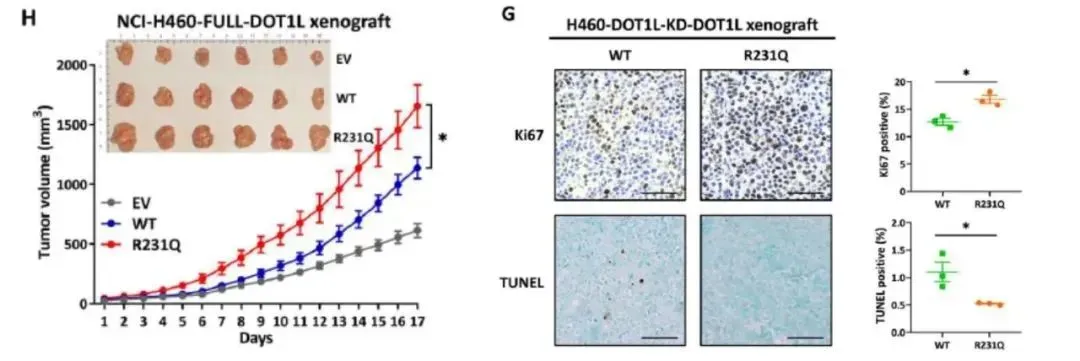
Figure 1. The R231Q mutation in the histone methyltransferase DOT1L enhances its substrate-binding affinity and promotes tumor growth.
Infected cells | Human lung cancer cells |
Regulation method | Gene overexpression (full-length/point mutation) |
Carrier Information | LV-DOT1L-WT/LV-DOT1L-R231Q |
II. Lentiviral Vector-Mediated Overexpression of the Noncoding Gene circRNA
★Article Title: CircCRIM1 suppresses osteosarcoma progression via sponging miR146a-5p and targeting NUMB
★Journal Published In: American Journal of Cancer Research
★Affiliation: School of Medicine, Jiangsu University
CircCRIM1 is a circular RNA generated through the backsplicing of the CRIM1 gene. Recent studies have demonstrated that CircCRIM1 exerts multiple functions in tumorigenesis across various malignancies, including osteosarcoma (OS). In this study, the authors investigated the role and underlying mechanisms of circCRIM1 in OS progression. By mining the GSE96964 circRNA expression microarray dataset, they identified differentially expressed circRNAs—among them circCRIM1—in OS samples and human osteoblasts (hFOB1.19). RT‑qPCR was employed to assess the expression levels of circCRIM1, as well as its miRNA sponges and target genes. In vitro functional assays were conducted to investigate the effects of circCRIM1 on the proliferation, migration, and invasion of osteosarcoma cells. The in vivo function of circCRIM1 in osteosarcoma was assessed by measuring subcutaneous and orthotopic tumor growth in nude mice. Overexpression of circCRIM1 inhibited the migration, invasion, and proliferation of OS cells in vitro, as well as the growth of OS tumors in vivo. Mechanistically, the authors bioinformatically predicted and identified miR‑146a‑5p as a sponge miRNA for circCRIM1, and confirmed their interaction and colocalization through luciferase assays and FISH analysis. This interaction leads to increased expression of the downstream target gene NUMB, which in turn suppresses the Notch signaling pathway. Furthermore, the authors demonstrated that overexpression of miR‑146a‑5p can reverse the anti‑tumor effects of circCRIM1 in osteosarcoma cells. Collectively, these findings support the notion that circCRIM1 functions as a tumor suppressor in osteosarcoma by sponging miR‑146a‑5p and its downstream target, NUMB.
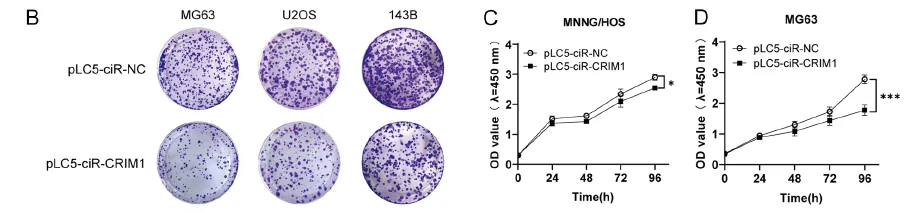
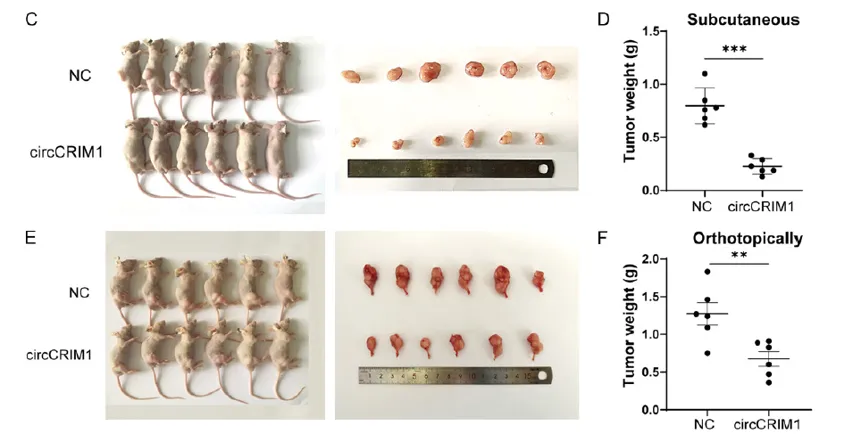
Figure 2. Overexpression of circCRIM1 inhibits osteosarcoma cell migration, invasion, and proliferation in vitro, as well as the growth of osteosarcoma tumors in vivo.
Infected cells | Human osteosarcoma cells |
Regulation method | Non-coding gene overexpression (circRNA) |
Carrier Information | LV-circCRIM1 |
III. Lentiviral Vector-Mediated Silencing of the Non-Coding Gene LncRNA
★Article Title: Long noncoding RNA AGPG regulates PFKFB3-mediated tumor glycolytic reprogramming
★Journal of Publication: Nature Communications
★Affiliation: Sun Yat-sen University
Tumor cells typically reprogram their metabolism to support rapid proliferation. The role of long noncoding RNAs (lncRNAs) in metabolic reprogramming and their underlying mechanisms remain poorly understood. Through screening, the authors identified lncRNA AGPG as essential for enhanced glycolytic activity and cell proliferation in esophageal squamous cell carcinoma (ESCC). Mechanistically, AGPG binds to and stabilizes fructose‑1,6‑bisphosphate‑2‑kinase/fructose‑2,6‑bisphosphatase 3 (PFKFB3); by inhibiting APC/C‑mediated ubiquitination, AGPG protects PFKFB3 from proteasomal degradation, leading to its accumulation in cancer cells. This, in turn, activates glycolytic flux and promotes cell cycle progression. AGPG is also a transcriptional target of p53; loss or mutation of TP53 triggers a marked upregulation of AGPG. Notably, Inhibition of AGPG significantly impairs tumor growth in patient-derived xenograft (PDX) models. Clinically, AGPG is highly expressed in many cancers, and its elevated expression correlates with poor prognosis, suggesting that AGPG is a potential biomarker and a therapeutic target for cancer.
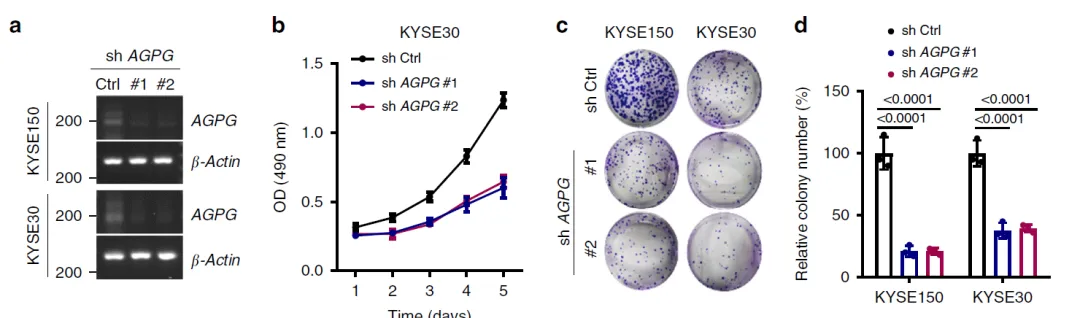
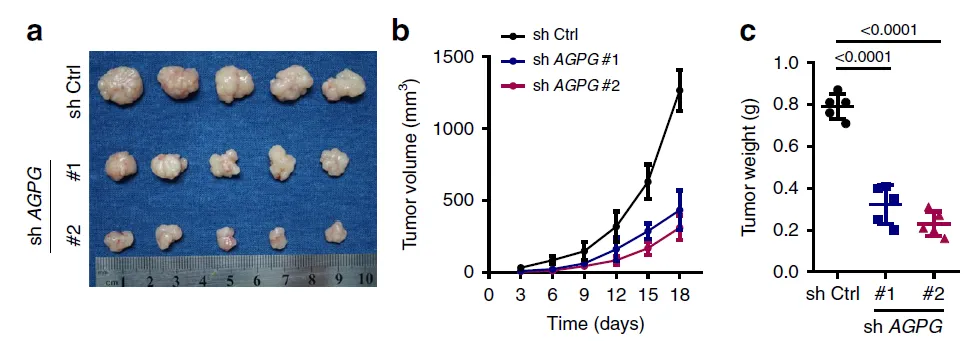
Figure 3. Knockdown of AGPG inhibits tumor formation, suppresses proliferation, and downregulates downstream gene expression.
Infected cells | Human esophageal squamous cell carcinoma cells |
Regulation method | Non-coding gene interference (LncRNA) |
Carrier Information | LV-shAGPG |
HeYuan Bio’s independently developed, patent‑approved Vpack lentiviral packaging system overcomes the challenges of low viral titers and insufficient virus release, ensuring more precise lncRNA expression, brighter fluorescent reporter expression, and more stable virus production.
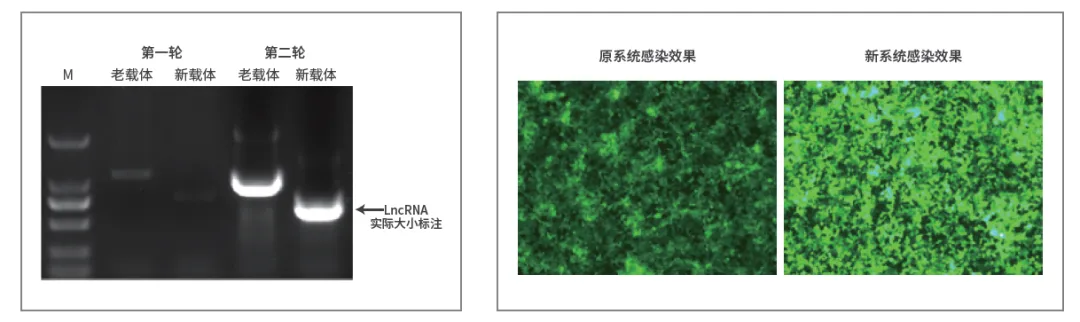
Figure 4. LncRNA expression and infection results of the VPack system from HeYuan Bio.
IV. Gene Knockout Mediated by CRISPR/Cas9 Technology
★Article Title: A novel protein RASON encoded by a lncRNA controls oncogenic RAS signaling in KRAS mutant cancers
★Journal Published In: Cell Research
★Affiliation: Nanjing University
The authors report that RASON is a novel protein encoded by LINC00673 and functions as a positive regulator of oncogenic RAS signaling. RASON is abnormally overexpressed in patients with pancreatic ductal adenocarcinoma (PDAC) and, both in vitro and in vivo, promotes the proliferation of human PDAC cell lines and tumor growth. CRISPR/Cas9–mediated knockout of RAS in mouse embryonic fibroblasts inhibits KRAS‑driven tumorigenesis. Deletion of RASON eliminates the development of KRAS‑driven pancreatic and lung cancers in LSL‑KrasG12D Trp53R172H/+ mice. Mechanistically, RASON directly binds to KRASG12D/V and inhibits both intrinsic and GAP‑mediated GTP hydrolysis, thereby maintaining KRASG12D/V in an active, GTP‑bound state. Therapeutically, RASON knockout renders KRAS‑mutant pancreatic cancer cells and patient‑derived organoids sensitive to EGFR inhibitors. These findings demonstrate that RASON is a critical regulator of KRAS signaling and a promising therapeutic target for KRAS‑mutant cancers.
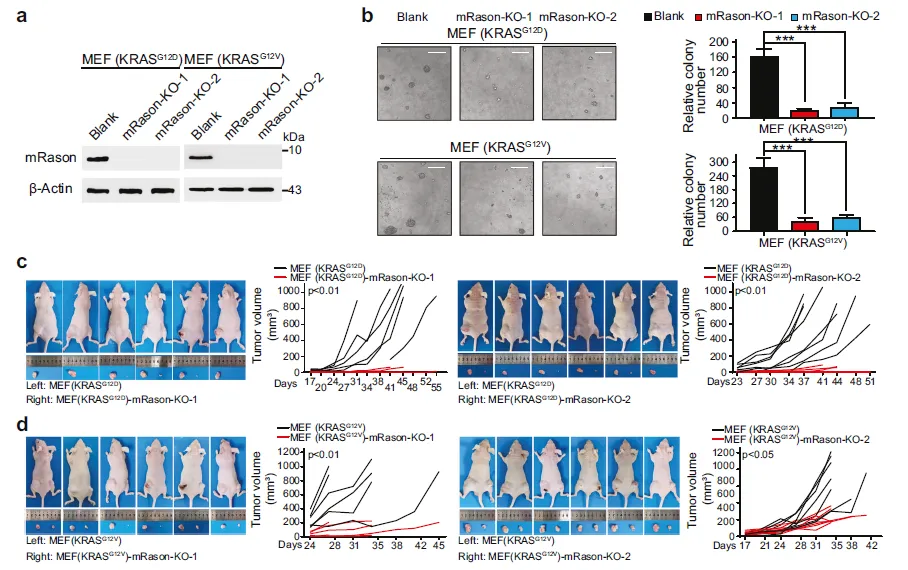
Figure 5. CRISPR/Cas9–mediated knockout of Rason in mouse embryonic fibroblasts inhibits KRAS‑driven tumorigenesis.
Infected cells | Mouse embryonic fibroblasts |
Regulation method | CRISPR/Cas9 knockout |
Carrier Information | LV-sgRason-spCas9 |
V. CRISPRa Technology Enables Endogenous Transcriptional Activation
In addition to gene knockout, CRISPR technology can also be used to activate the transcription of endogenous genes. Gene knockout, insertion, and replacement using CRISPR/Cas9 rely on the Cas9 protein’s ability to cleave DNA; however, by introducing deliberate mutations at the RuvC1 and HNH nuclease‑cleavage sites, the Cas9 protein loses its cleavage activity and becomes dCas9, which can still bind to gRNA to form a complex. The dCas9–gRNA complex can target specific genomic loci, and by fusing transcriptional regulatory elements—such as the transcriptional activators VP64 or VP16—to the complex and anchoring it upstream of a gene’s transcription start site, researchers can achieve targeted transcriptional activation of the desired gene.
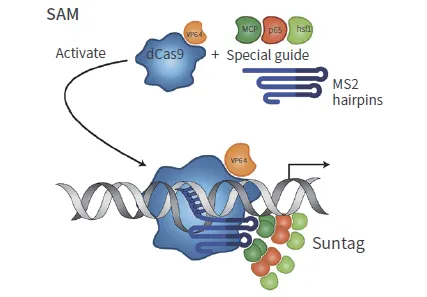
Figure 6. SAM technology enables endogenous gene activation.
Chavez A, et al. Nat Methods, 2016
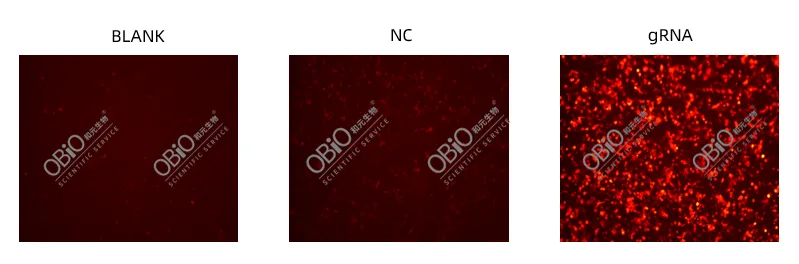
Figure 7. mCherry expression is significantly enhanced upon addition of gRNA.
Overall, lentiviral vectors exhibit robust and stable gene delivery and expression, enabling controlled and targeted expression of exogenous genes, thereby providing powerful tools and platforms for gene research, gene therapy, and cellular engineering.
HeYuan Bio is honored to provide the lentiviral packaging services referenced in this article.
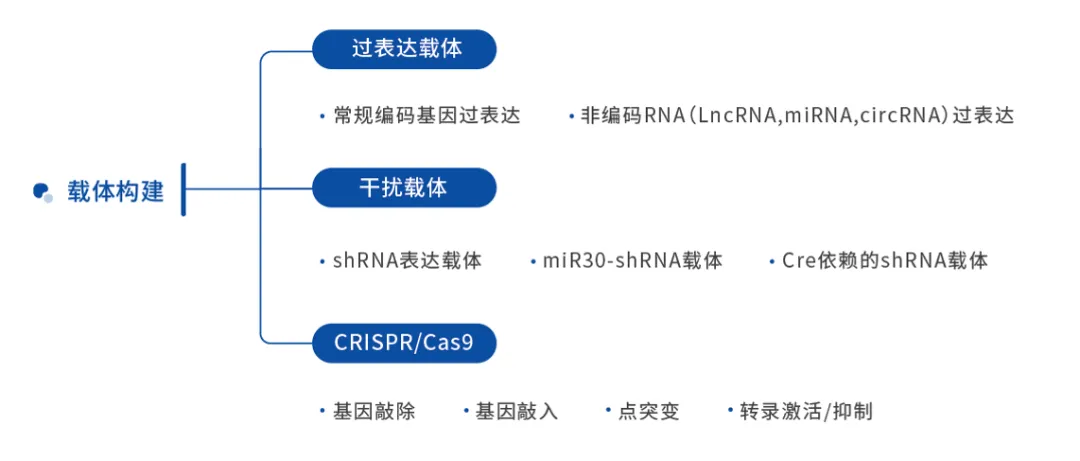 HeYuan Bio offers the aforementioned services, ranging from the design and customization of viral vectors to the packaging and purification of viral particles.
Recommended reagents related to HeYuan Li Ji lentiviral vectors

* For more products, please visit the He Yuan Li Ji official website: www.life-ilab.com
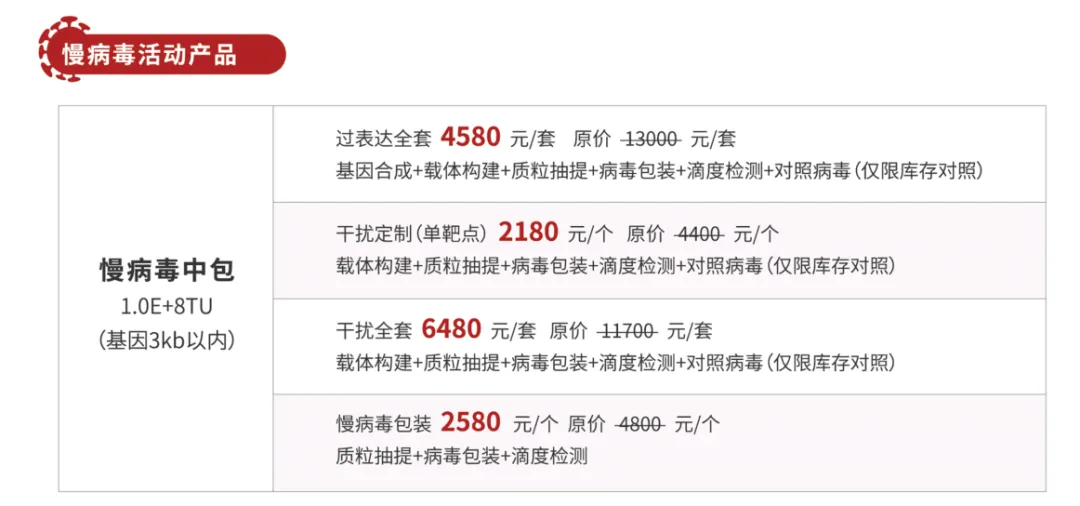
Lentivirus activity
1. Forward this collection of articles and receive 18 likes to claim an 8 mL trial sample of lentiviral concentrate (limited to one per research group, with a total of 200 samples).
Event Time: Effective immediately – April 30, 2024
Scope of Activities: National bio-related end customers
How to claim your sample: Please contact 18616108692 (Manager Liang) or scan the QR code below; delivery will be arranged promptly upon confirmation.

Precautions:
Follow the WeChat official account to participate in the event.
The final interpretation of this event is reserved by He Yuan Li Ji.
II. Randomly select one person Two tickets to Shanghai Disneyland/Universal Studios Beijing (Within 1,000 yuan), it’s two tickets per person!
Three winners will be randomly selected to receive a gift. Huawei Bluetooth earphones , Click the mini program below to join now (๑•̀ㅂ•́)و✧

Drawing time: April 8, 2024, 1:00 PM
How to claim: Please contact the relevant sales representative for redemption within 3 business days; failure to do so will be deemed a voluntary waiver.
Scope of Activities: National bio-related end customers
Precautions:
After following the WeChat official account, reply with “ Lentivirus Participate in the activity;
The two tickets are valued at no more than 1,000 yuan; any amount exceeding this may be paid by the purchaser as a price difference.
Tickets are valid until May 6, 2024, and may be transferred; any unused tickets will be deemed forfeited after this date.
When you redeem your rewards, share a beautiful photo with Heyuan Li Ji and you’ll also receive a lovely little gift!
If a winner does not meet the eligibility requirements, this prize will be carried over to the next draw (with no change to the prize), and you can follow our official account for the latest updates.
The final interpretation of this event is reserved by He Yuan Li Ji.
Group Website
-
Contact Information
Landline phone:021-50778506
Business Manager:18616108315Business Cooperation/Scholarships:18616108697
Address:4th Floor, Building 27, Lane 908, Ziping Road, International Medical Park, Pudong New Area, Shanghai
Email:ztt0005@obiosh.com

WeChat Official Account
Online Customer Service 1
Online Customer Service 2
 Telephone consultation


