


 返回
返回
返回

IF=14.5 | The team led by Zhao Yonghua at the University of Macau has developed a novel strategy for the precision treatment of ischemic stroke!
I. Literature Review
5 On the 5th of the month, Professor Yonghua Zhao’s team from the Institute of Chinese Medicine at the University of Macau published an academic paper titled “RVG-Modified BMSCs-Derived Small Extracellular Vesicles Loaded With miR-21 Alleviate Neuronal Injury Resulted From Excessive Autophagy via Targeting PTEN/Akt/mTOR Pathway After Cerebral Ischaemia” in the leading journal in the field of extracellular vesicles, the Journal of Extracellular Vesicles (latest impact factor: 14.5).
This study offers a novel strategy for the precision treatment of ischemic stroke.
(Image captured from the literature)
Dr. Li Yiyang is the first author.
Associate Professor Zhao Yonghua is the corresponding author.
II. Literature Summary

Cited from Li Ji Bio ® Product: AC12L059 – One-Step 640 TUNEL Apoptosis Assay Kit (Far Red)
Ischemic stroke leads to severe disability and a high adult mortality rate, yet current therapeutic options for this condition remain limited. Studies have shown that small exosomes derived from bone marrow–derived mesenchymal stem cells can exert beneficial therapeutic effects by delivering their resident microRNAs. However, these small exosomes alone struggle to cross the blood–brain barrier and penetrate brain tissue; moreover, the limited quantity of microRNAs they contain further constrains their therapeutic efficacy. Consequently, enhancing the ability of small exosomes to specifically target the brain and efficiently deliver microRNAs is crucial for improving their therapeutic outcomes. In this study, leveraging microRNA sequencing within small exosomes and analyzing RNA‑seq data from ischemic stroke patients in the GEO database, we identified a significant downregulation of miR‑21 in ischemic brain tissue. By employing genetic engineering, we successfully generated small exosomes co‑loaded with the RVG‑Lamp2b peptide and harboring a plasmid that overexpresses miR‑21‑5p. Experimental results demonstrated that these engineered small exosomes efficiently bind to neurons. In a mouse model of transient middle cerebral artery occlusion, treatment with these modified exosomes resulted in improved neurological recovery and a reduction in infarct size. Furthermore, these exosomes inhibited autophagy, mitochondrial dysfunction, and apoptosis in neurons subjected to oxygen–glucose deprivation/reoxygenation. Additional investigations revealed that miR‑21 targets PTEN; mechanistic studies indicated that miR‑21 mitigates neuronal injury caused by excessive autophagy by modulating the PTEN/Akt/mTOR signaling pathway.
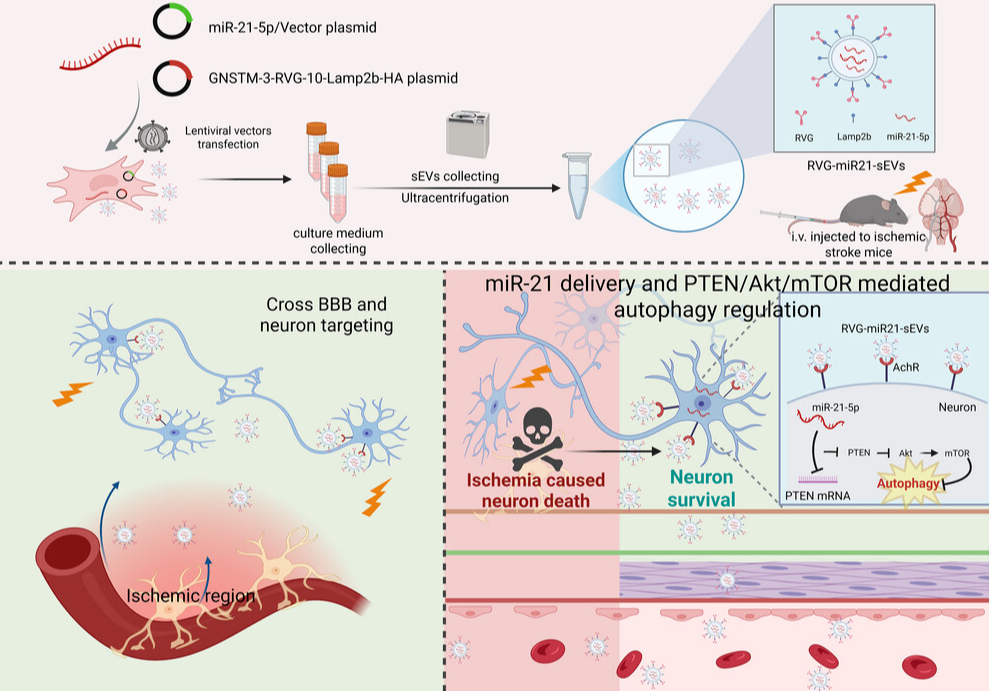
Figure 1 is reproduced from the literature.
Article link: https://doi.org/10.1002/jev2.70295
Group Website
-
Contact Information
Landline phone:021-50778506
Business Manager:18616108315Business Cooperation/Scholarships:18616108697
Address:4th Floor, Building 27, Lane 908, Ziping Road, International Medical Park, Pudong New Area, Shanghai
Email:ztt0005@obiosh.com

WeChat Official Account
Online Customer Service 1
Online Customer Service 2
 Telephone consultation


