


 返回
返回
返回

IF=45.8 | High-impact Science: A team led by Zhou Haibo of the Chinese Academy of Sciences has successfully mapped the functional landscape of transcription factors in brain astrocytes.
I. Literature Review
4 On the 24th of the month, the research team led by Zhou Haibo at the Center for Excellence in Brain Science and Intelligence Technology of the Chinese Academy of Sciences, together with the team of Professor Zheng Yuanyi from Shanghai Sixth People’s Hospital and the research group of Hu Xinde at Shanghai Jingqi Biotechnology, jointly published an academic paper titled “Mapping transcription factor functions in astrocytes using in vivo gain-of-function Perturb-seq” in the journal Science (latest impact factor: 45.8).
Using the iGOF‑Perturb‑seq platform, this study successfully mapped the functional landscape of astrocyte transcription factors under both physiological and pathological conditions. These findings not only provide crucial data for elucidating in vivo gene regulatory networks and disease‑causing mechanisms but also lay a key foundation for the subsequent identification of potential therapeutic targets for a range of brain disorders.
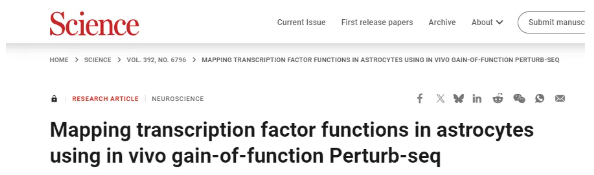
(Image captured from the literature)
Dr. Liansheng Zhang of the Center for Excellence in Brain Science and Intelligence Technology, Chinese Academy of Sciences, is the first author of this paper. Ph.D. student Qi Ma, laboratory technician Xiangrui Kong, Dr. Bo Wang, Dr. Weijuan Zou from Shanghai Sixth People’s Hospital, and Dr. Bin Wu from Huashan Hospital in Shanghai are co‑first authors.
Researcher Hai‑bo Zhou, Dr. Zheng‑zheng Xu of the Center for Excellence in Brain Science and Intelligence Technology of the Chinese Academy of Sciences, Professor Yuan‑yi Zheng and Associate Researcher Jian‑rong Wu of Shanghai Sixth People’s Hospital, and Dr. Xin‑de Hu of Shanghai Jingqi Biotechnology Co., Ltd. served as the co‑corresponding authors of this paper.
The Optical Imaging Platform, the Molecular and Cellular Technology Platform, and the Laboratory Animal Platform of the Center for Excellence in Brain Science and Intelligence Technology at the Chinese Academy of Sciences provided technical support for this study. The research was supported by relevant projects funded by the Ministry of Science and Technology, the National Natural Science Foundation of China, the Chinese Academy of Sciences, the Shanghai Municipal Government, and the China Postdoctoral Science Foundation.
II. Literature Summary

Cited from Li Ji Bio ® Product:
AC04L011-EZ Trans Cell Transfection Reagent (High Efficiency)
Perturb‑seq technology enables systematic dissection of gene‑perturbation effects at single‑cell resolution and has been employed to map genetic interaction networks and elucidate gene regulatory circuits. However, existing studies have largely relied on in vitro systems; although recently developed in vivo approaches can reveal gene functions in intact tissues, they are typically limited to small‑scale loss‑of‑function analyses and lack comprehensive in vivo strategies for investigating gain‑of‑function phenotypes. Astrocytes, as key cells in the central nervous system, perform diverse functions by modulating synaptic activity, maintaining homeostasis, and participating in inflammatory responses; yet, the precise in vivo roles of the transcription factors that serve as master regulators of their functional programs remain poorly understood under both physiological and pathological conditions.
Based on the aforementioned research background, the research team developed an in vivo high-throughput gain-of-function perturbation sequencing platform called iGOF‑Perturb‑seq. By integrating barcode‑tagged open reading frames, adeno‑associated virus‑mediated gene delivery, and single‑cell nuclear RNA sequencing, this platform enables large‑scale, systematic investigation of gain‑of‑function effects on gene function within intact tissues. The researchers applied this method to astrocytes in the mouse brain, conducting parallel analyses at single‑cell resolution of the gain‑of‑function effects of approximately 1,000 transcription factors (Figure 1).
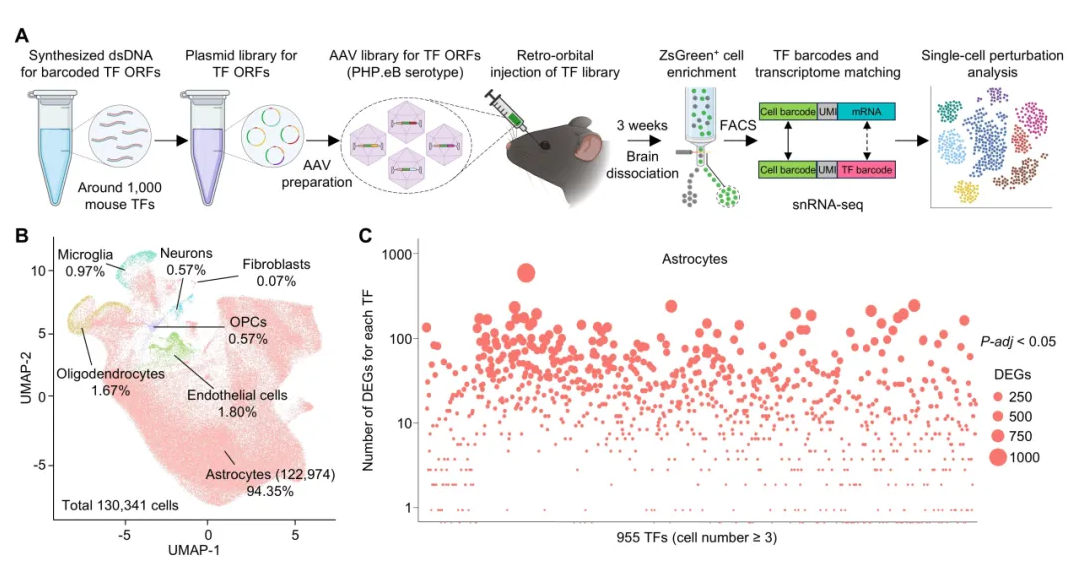
Figure 1. Establishment of an In Vivo High-Throughput Functional Gain-of-Function Perturbation Sequencing Platform
By leveraging perturbation‑induced transcriptomic data generated on this platform, the researchers successfully constructed a comprehensive functional atlas of transcription factors in astrocytes. This atlas not only delineates the regulatory relationships between transcription factors (TFs) and their target genes within molecular networks but also validates its accuracy and reproducibility through both in vitro cell models and in vivo animal experiments. Building on these findings, the research team further developed an in vivo framework linking transcription factor perturbations to gene‑programmatic responses, identifying multiple TF‑based functional modules that operate in a synergistic manner and revealing the modular regulatory architecture of gene programs in astrocytes. Moreover, using this model, the team performed functional annotation of previously uncharacterized or poorly studied transcription factors, elucidating their potential roles in regulating astrocyte responses to oxidative stress, inflammation, and immune signaling, thereby providing new leads and evidence for downstream mechanistic investigations (Figure 2).
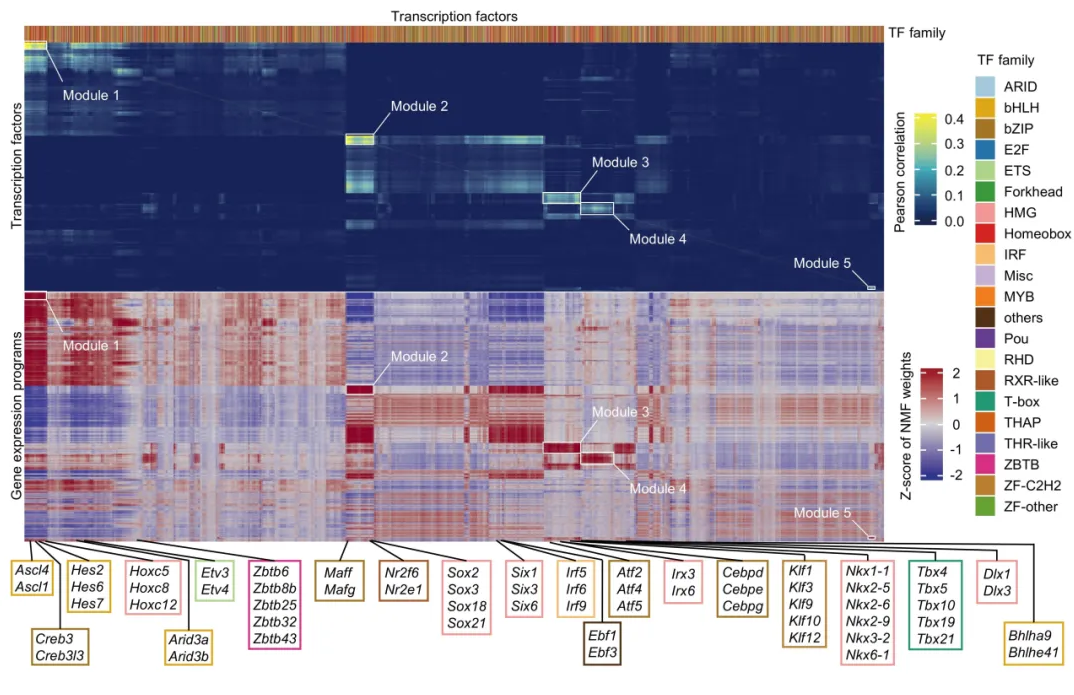
Figure 2. Functional annotation of transcription factors in brain astrocytes
Alterations in the normal functions of astrocytes are closely linked to the onset and progression of a wide range of brain disorders. By integrating transcription factor functional profiles with datasets derived from patients with various neurodegenerative diseases, normal aging, gliomas, and psychiatric conditions, researchers identified candidate transcription factors associated with distinct neurological pathologies. To screen for therapeutic targets, the team pioneered iGOF‑Perturb‑seq screening under disease‑mimicking pathological conditions, thereby pinpointing potential disease‑modifying transcription factors. Finally, the researchers selected the transcription factor Ferd3l and validated its astrocyte‑specific overexpression in an Alzheimer’s disease mouse model, demonstrating its efficacy as a therapeutic intervention. The results showed that pan‑brain, astrocyte‑specific overexpression of Ferd3l significantly ameliorated Alzheimer’s‑related symptoms in the mouse model (Figure 3).
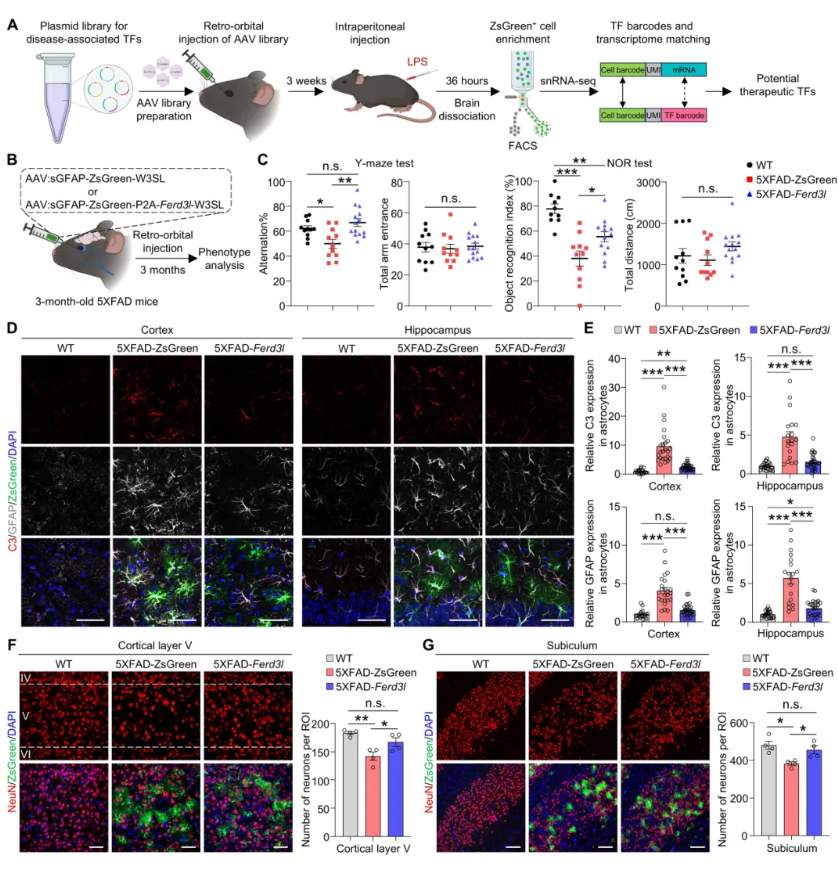
Figure 3. Screening of Disease-Treating Transcription Factors and In Vivo Functional Validation
Article link: https://doi.org/10.1126/science.adw2156
Group Website
-
Contact Information
Landline phone:021-50778506
Business Manager:18616108315Business Cooperation/Scholarships:18616108697
Address:4th Floor, Building 27, Lane 908, Ziping Road, International Medical Park, Pudong New Area, Shanghai
Email:ztt0005@obiosh.com

WeChat Official Account
Online Customer Service 1
Online Customer Service 2
 Telephone consultation


